When I was a kid, I loved watching The Jetsons. Premiering on September 23, 1962 – but set in the futuristic year of 2062 – it went on to run and re-run for decades.
In the show, George Jetson works just a few hours a week. His wife Jane pushes buttons to make most of her housewife choices happen. And they and kids Judy and Elroy have a robotic maid to handle most other everyday tasks.
That’s the character who fascinated me the most: Rosie, the machine with a personality so strong she was practically human. There were even episodes specifically designed to make you feel for her more than you did some of the actual human characters.

Source: Hanna-Barbera
This was a decade and a half before George Lucas introduced us to Star Wars with its beloved robots C3PO and R2-D2. And it was close to 50 years before Disney released its WALL-E movie, where a lonely little machine was the main (and sometimes only) character.
The Jetsons even beat out Star Trek, which didn’t have its tech-heavy debut until September 8, 1966. In which case, really, the cartoon was way ahead of its time…
At the time, anyway. Today, while we still don’t have homes in the sky or flying-saucer cars:
-
Video calls are routine.
-
Smartwatches sit on millions of wrists.
-
Unmanned vacuums clean floors.
-
Voice assistants respond from around the house.
-
Automobiles are driverless.
-
12,000 active satellites are currently orbiting Earth.
Robotics, artificial intelligence, and automation are now embedded in manufacturing, logistics, finance, health care, and software. Algorithms optimize supply chains. AI agents respond to customers. Machine learning models assist in decision-making at scale.
And, to quote Barron’s writer Al Root, “Like something from a galaxy far, far away, robots are getting closer to their big takeover. Once the domain of science fiction, autonomous robots… are getting closer by the year.”
Really, it’s only a matter of how to invest in the big profits they’re bound to bring in.
Pick Your Robot Model
I’ve been researching robots quite a bit lately, curious about how they could help my mom, who lives alone.
One name I’m especially intrigued by is NEO. It’s a bipedal humanoid home assistant robot being developed by 1X Technologies (formerly Halodi Robotics), a California-based robotics and AI company.
1X says that NEO can help with everyday chores such as folding laundry, straightening rooms, and vacuuming – all powered by a built-in large language model that was created to continuously learn. This makes it much closer to the robots in The Jetsons than most existing service robots being hyped today.
(Most, though not all.)
Better yet, NEO isn’t just being designed as a research prototype. It’s actually a consumer-ready product you can preorder now to have in your home later this year. And all for just $20,000 upfront or via a $499 monthly payment plan.

Source: Fast Company, NEO
There’s also Atlas, an advanced bipedal humanoid robot developed by Boston Dynamics. It’s made to move and operate in complex environments with human-like agility and strength – even capable of doing literal backflips.
Its makers call it “the world’s most dynamic humanoid robot,” and I’m guessing they mean all of this in a non-Terminator kind of way.
At least I truly hope so.
Atlas doesn’t have a publicly listed price tag yet, at least not one that I’ve seen. Boston Dynamics has only made it available so far to select enterprise customers such as Hyundai and Alphabet’s (GOOG) DeepMind.
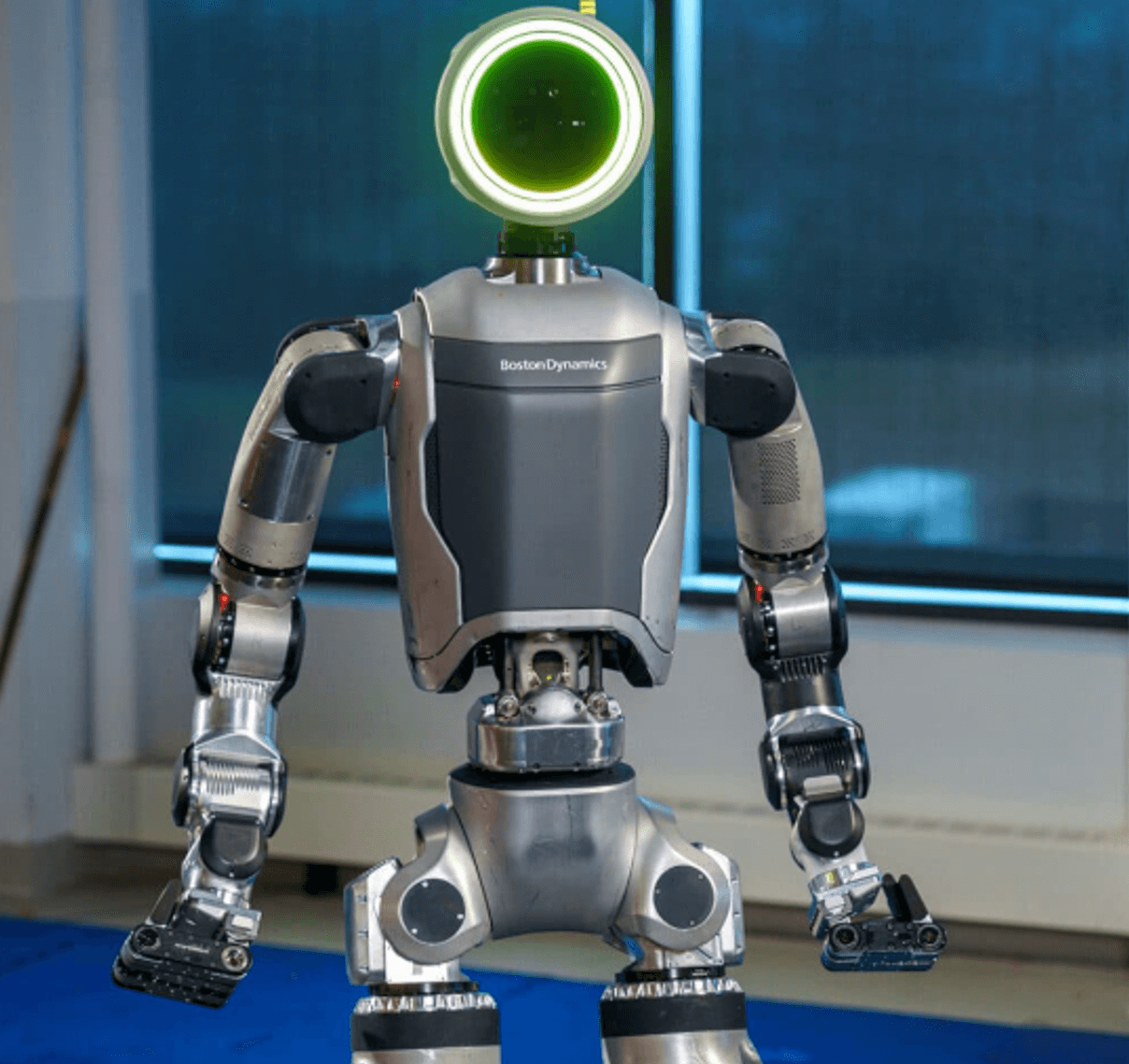
Boston Dynamics (Atlas)
Up next, we have Figure 03 from Figure AI.
Figure 03 is being designed as a truly general-purpose humanoid that can perform a wide range of human-like tasks. And rather than being programmed for its responsibilities, it actually learns directly from the people in its life.
Naturally, this level of sophistication comes with a pretty steep asking price, probably comparable to Atlas at around $20,000 at scale. And, no, I don’t know if there’s a payment plan on the books yet.
Personally, though, I’m very interested in seeing how and where this project goes from here.
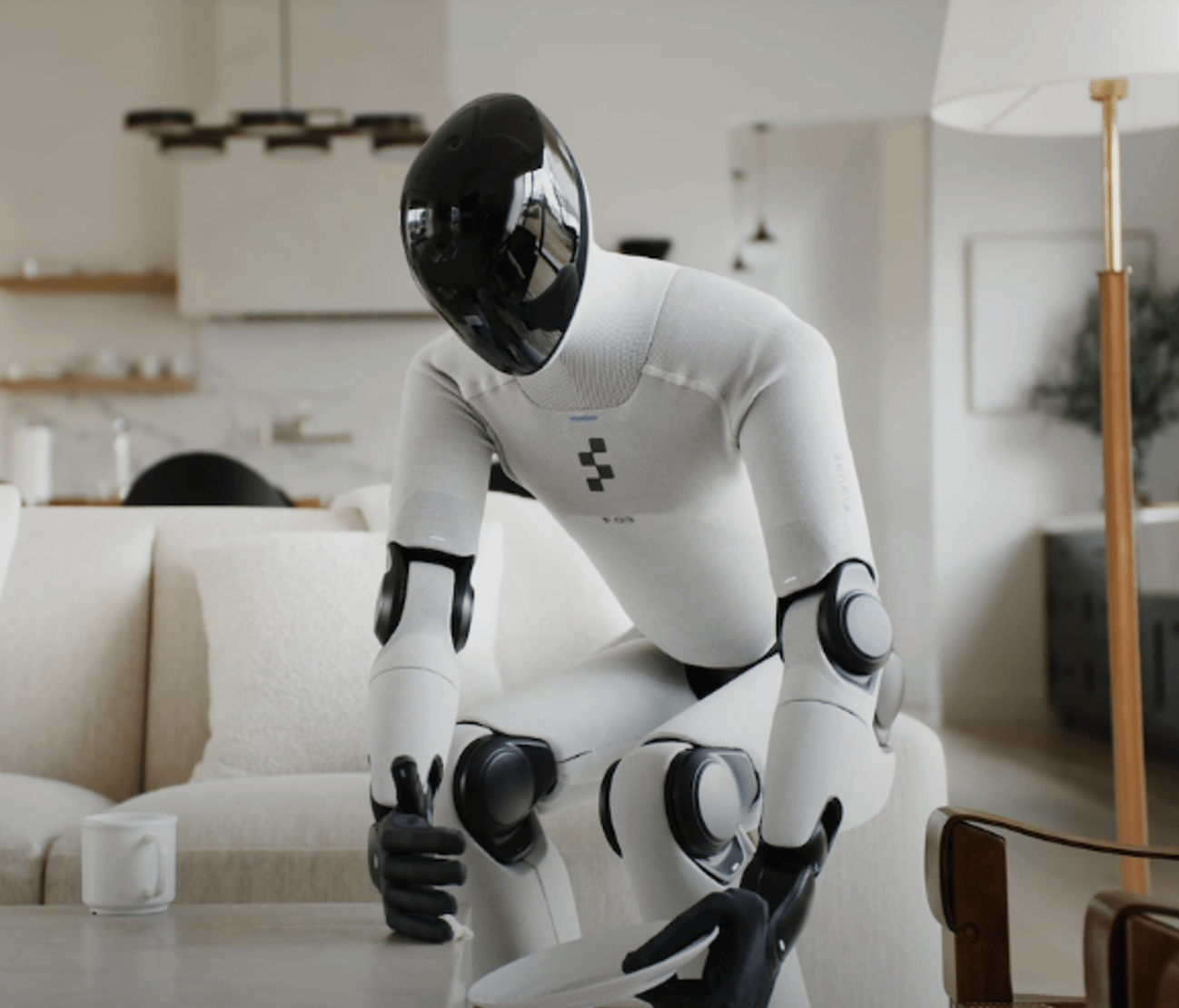
Source: WinBuzzer (Figure 03)
Considering how much headline space Elon Musk gets, you may very well have already heard of Optimus, aka Tesla Bot. It’s Tesla’s (TSLA) general-purpose humanoid robot project, announced in 2021 at Tesla’s AI Day.
Back then, there was no actual prototype to debut, just an idea of a machine capable of handling “dangerous, repetitive, and boring tasks.” But Musk’s bipedal robot dreams are much closer to a commercial reality today.
Optimus is even now being factory tested with limited production dates set for later this year. Tesla hopes to make it available next year for $30,000 to $40,000 a pop.
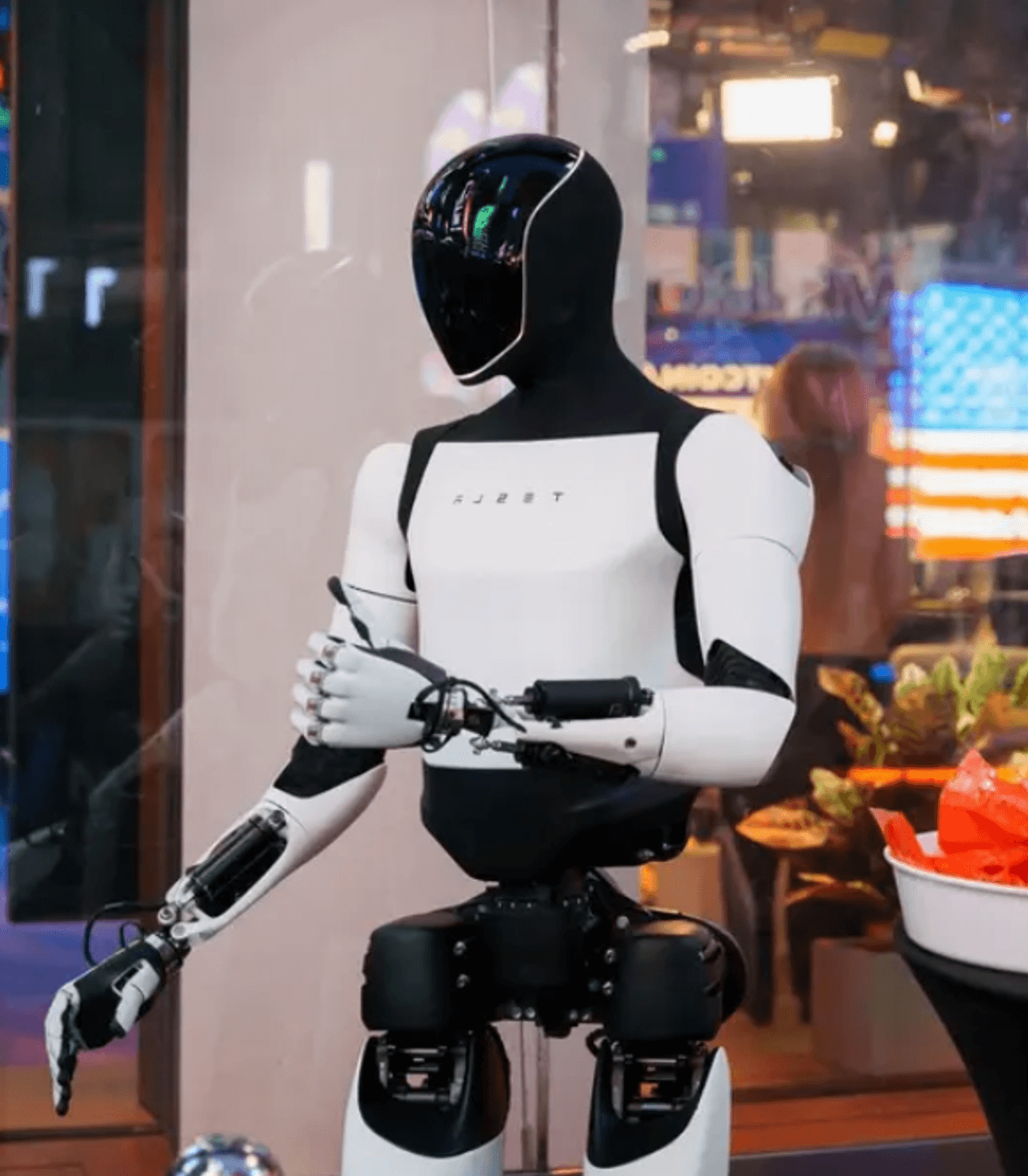
Source: Interesting Engineering (Optimus)
Last but certainly not least is Agility Robotics’ Digit. It’s one of the world’s most commercially advanced humanoid robots available today.
If you follow robotics at all, you’ve heard of Digit. It’s often highlighted as an example of sophisticated mechanics in action, not just in the lab.
With its pincer hands, rectangular eyes, and tiny head, it definitely looks more science-fiction than a human replacement. However, it’s apparently just as good as the real thing when it comes to loading, unloading, and moving materials.
And all without requiring a salary and benefits.
Admittedly, Digit costs around $250,000 in its early commercial form. But that still pays for itself after about six years.
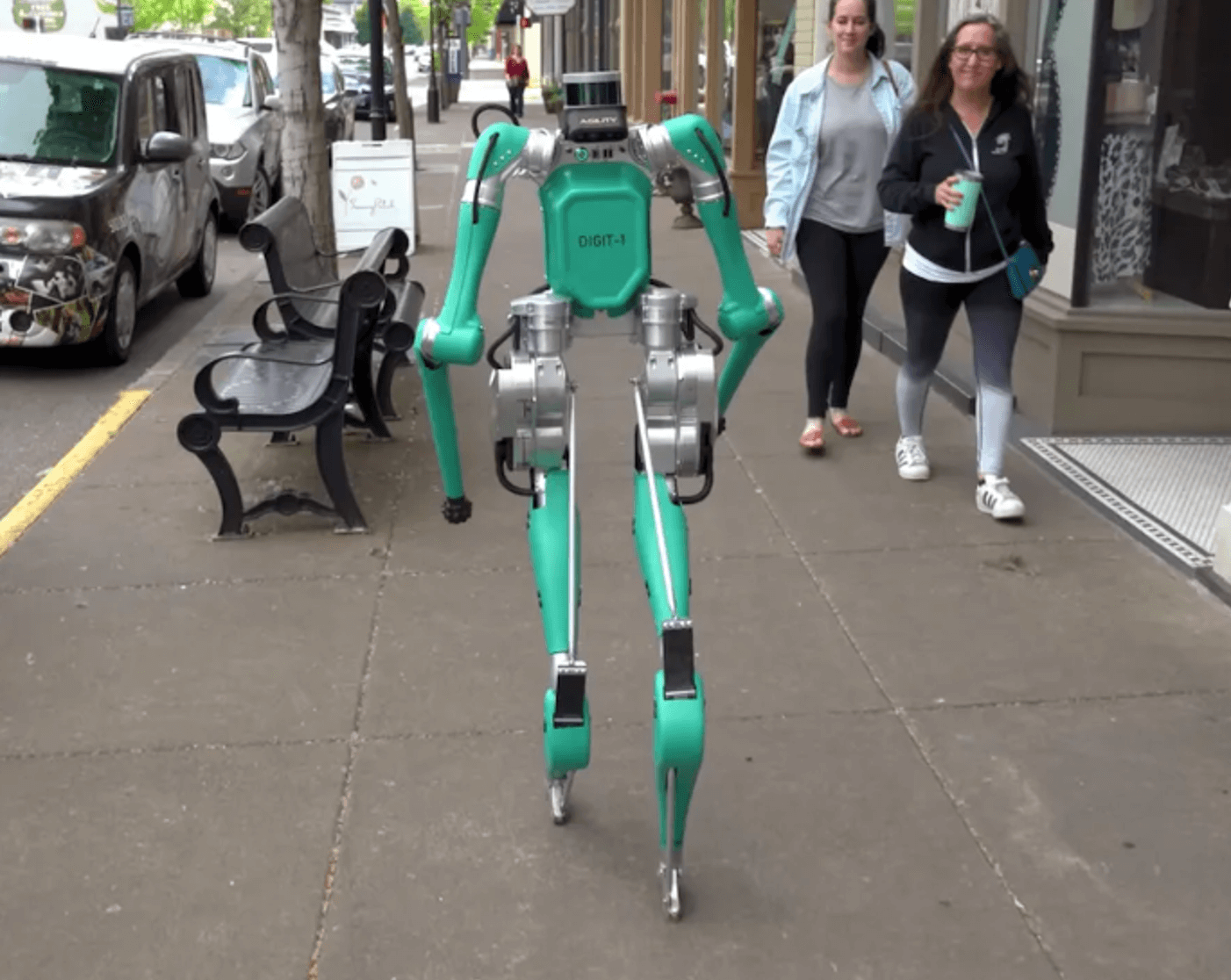
Source: IEEE Spectrum (Digit)
How to Play the Rise of the Robots
Morgan Stanley says the robotics sector – including humanoids, cars, and drones – could grow to over $25 trillion by 2040, everything considered. But as is always true in any booming industry, especially an emerging one, there will be winners and losers alike.
This is why I currently advocate buying into robotics-themed exchange-traded funds (“ETFs”). That way, you hold a diversified basket of robotics-related companies instead of risking too much on a single business.
One such possibility here is ROBO Global Robotics and Automation Index Fund (ROBO). It’s one of the earliest and most established ETFs of its kind and tracks precisely what it says, along with artificial intelligence.
There’s also VanEck Robotics Fund (IBOT), which seeks to replicate a robotics and automation index. IBOT includes companies that are developing robotics tech, AI-enabled solutions, and autonomous systems.
I’m sure we’ll see a lot more coming down the pike in the coming years. Until then, though, let’s keep our eyes open.
Regards,
Brad Thomas
Editor, Wide Moat Daily
|